
REDEFINING PERSONAL TRAINING EDUCATION ACROSS ASIA
At Fitness Academy Asia, we believe in the healing power of movement.
While conventional fitness focuses mainly on aesthetics, we seamlessly encapsulate the concept of wellness into fitness — empowering trainers to unlock the therapeutic potential of exercise through Corrective Exercise and Exercise Therapy Education.
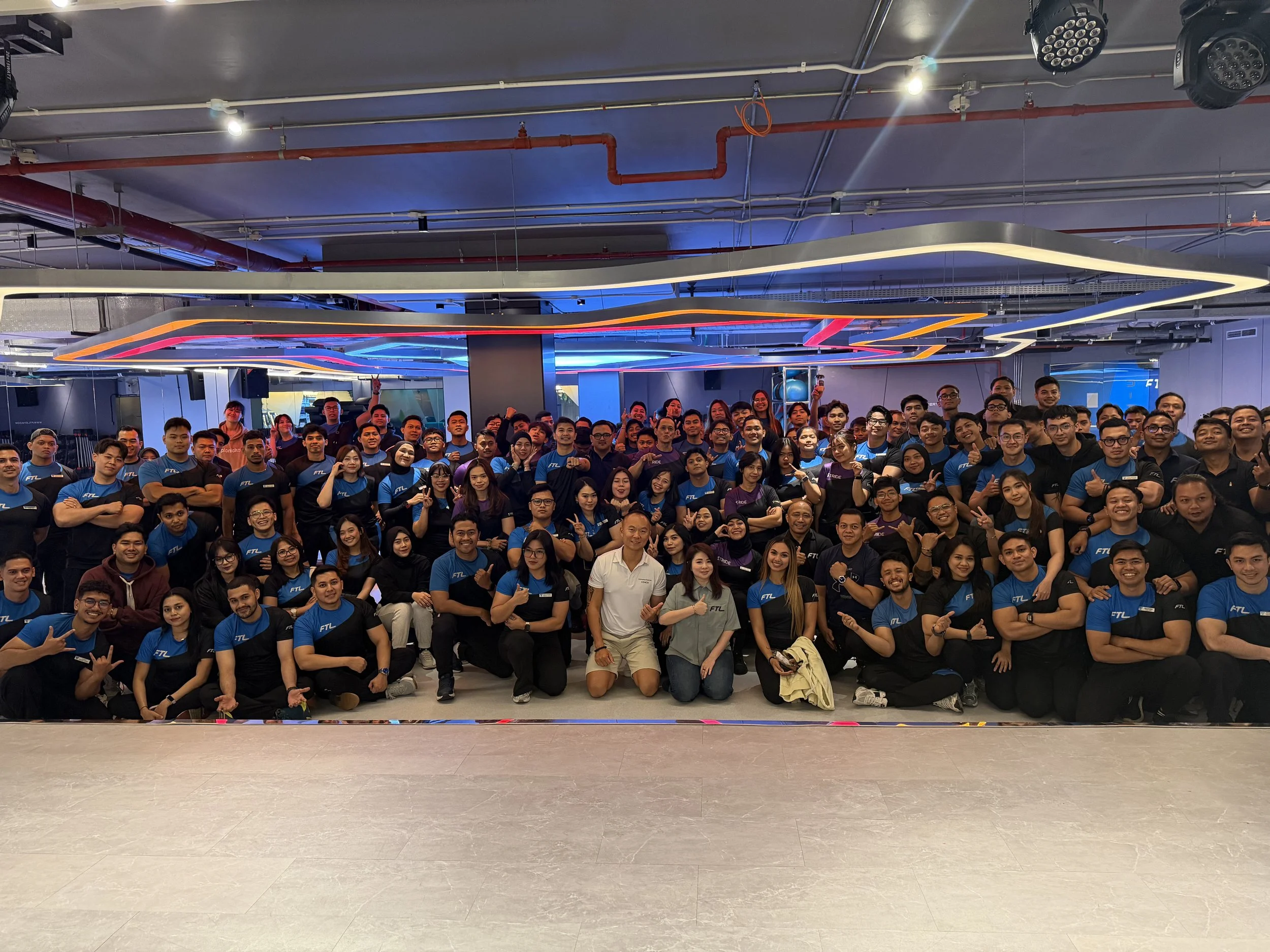
EVOLVING THROUGH THE POWER OF EDUCATION
Helping movement professionals unlock their true potential in the area of Chronic Pain Management.
When the human body is constantly fighting movement compensations, stress, and posture instability, the nervous system becomes overwhelmed. Activities of daily living become inhibited by chronic inflammation, loss of mobility, and chronic pain.
We teach personal trainers how to systematically eliminate that friction—so their clients can dramatically expand their capacity to thrive and live their lives to the fullest!
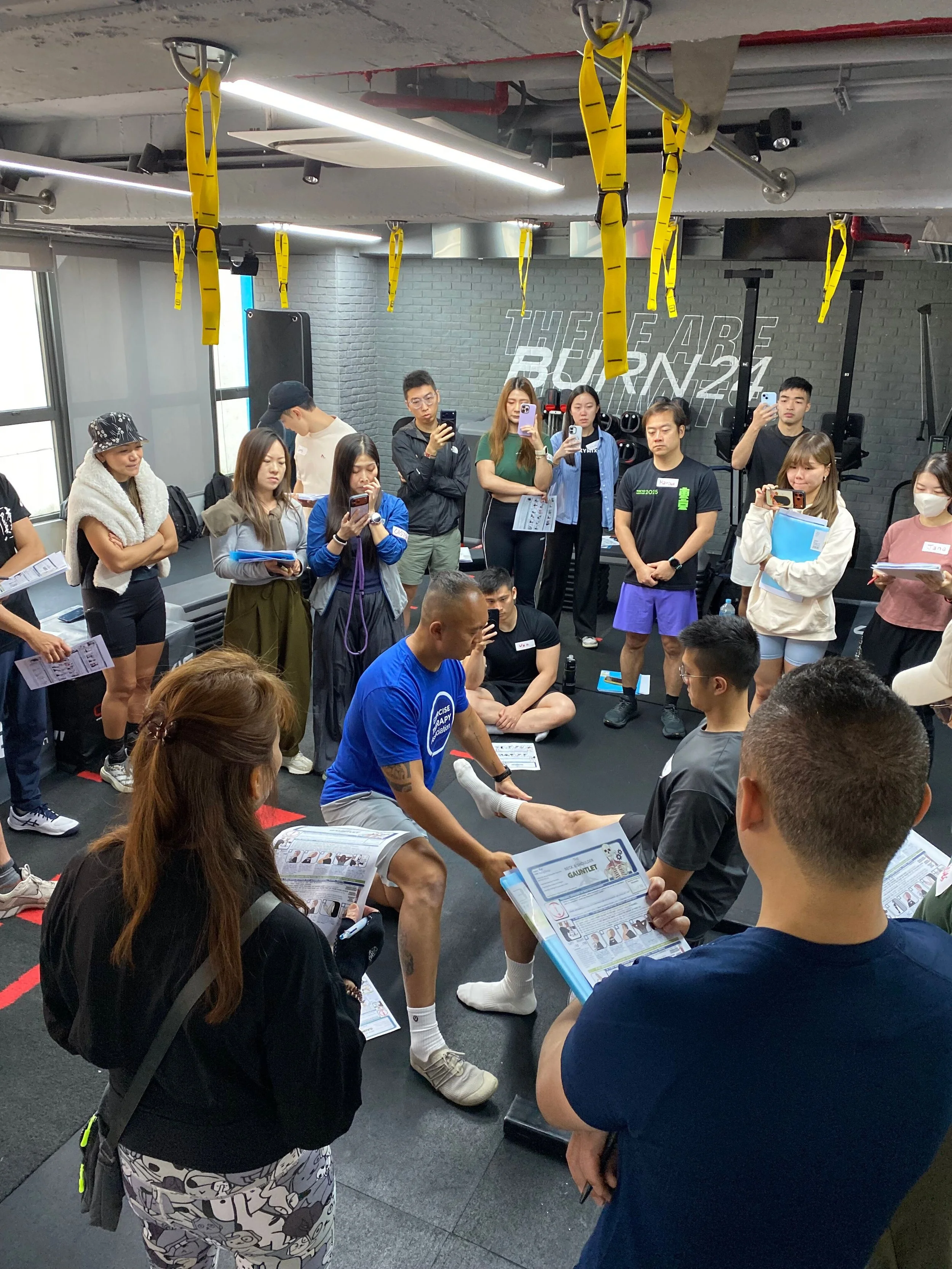
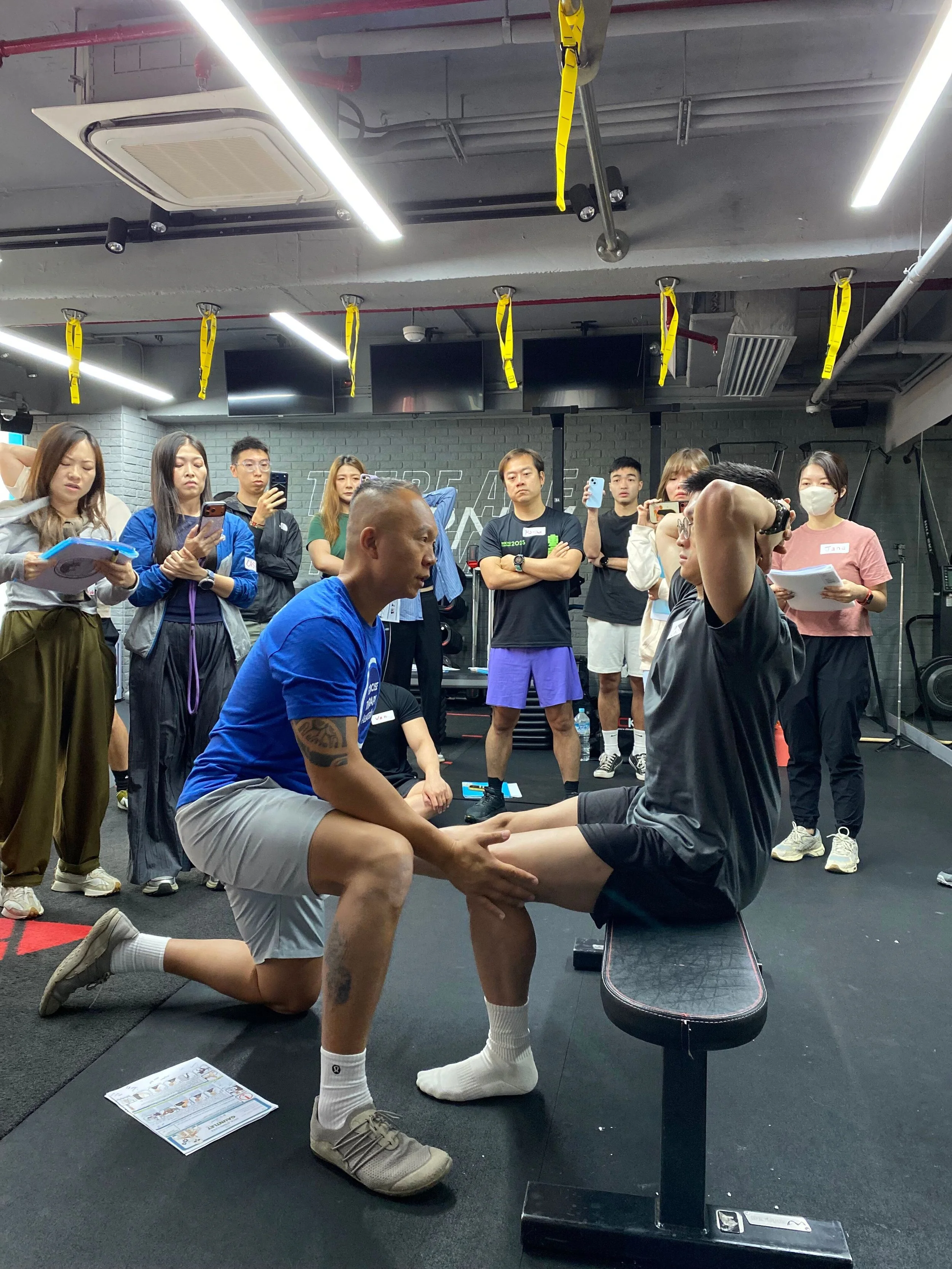
BRIDGING THE GAP BETWEEN FITNESS AND THERAPY
We are on a mission to elevate industry standards and expand the power of movement coaching.
By bridging the gap between conventional fitness practices and customised movement therapy, we equip movement professionals with the tools to push past traditional industrial boundaries and empower them to reach and exceed their professional limits across Asia.
WHERE OUR
COURSES ARE
Delivering international standard education through intensive hands-on training across premier athletic and rehabilitation facilities in the region.
- Tech-nique Corrective Exercise Specialist (AI exbody & C.R.A.M.P.)
- Exercise Therapy Certification (Root-Cause Pain & Movement Correction)
- Performance Recovery Specialist (Integrated Stretching & IASTM Hyperblade)
- Tech-nique Corrective Exercise Specialist (AI exbody & C.R.A.M.P.)
- Exercise Therapy Certification (Root-Cause Pain & Movement Correction)
- Performance Recovery Specialist (Integrated Stretching & IASTM Hyperblade)
- Exercise Therapy Certification (Root-Cause Pain & Movement Correction)
- Performance Recovery Specialist (Integrated Stretching & IASTM Hyperblade)
UPCOMING COURSES
Our Professional Courses
Master cutting-edge assessment tools, clinical biomechanics, and performance recovery protocols.
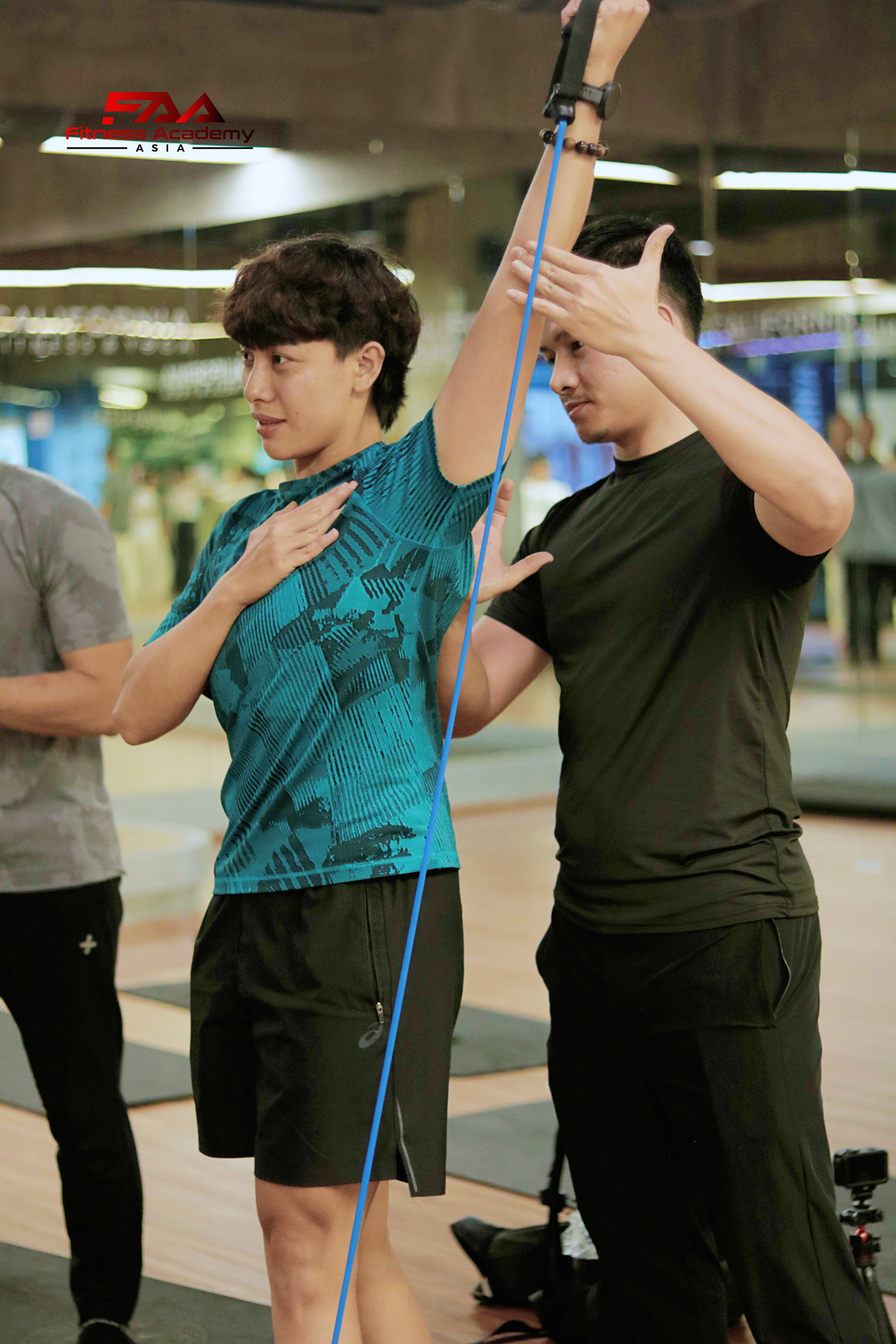
Tech-nique Corrective Exercise Specialist
This course trains coaches to leverage AI-driven exbody technology for precise posture assessments and apply the structured C.R.A.M.P. framework (Cue, Release, Activate, Move, Programming). It enables trainers to correct common musculoskeletal deviations and design data-driven, goal-aligned programs that deliver lasting postural improvements.
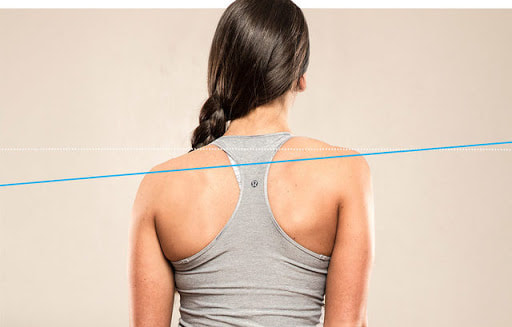
Exercise Therapy Certification
This program equips fitness professionals with a practical workflow to identify root causes of pain or movement limitations and apply targeted corrective exercises for the core, lower body, and upper body. It enhances coaching safety, exercise programming, and client communication to boost long-term trust and training adherence.
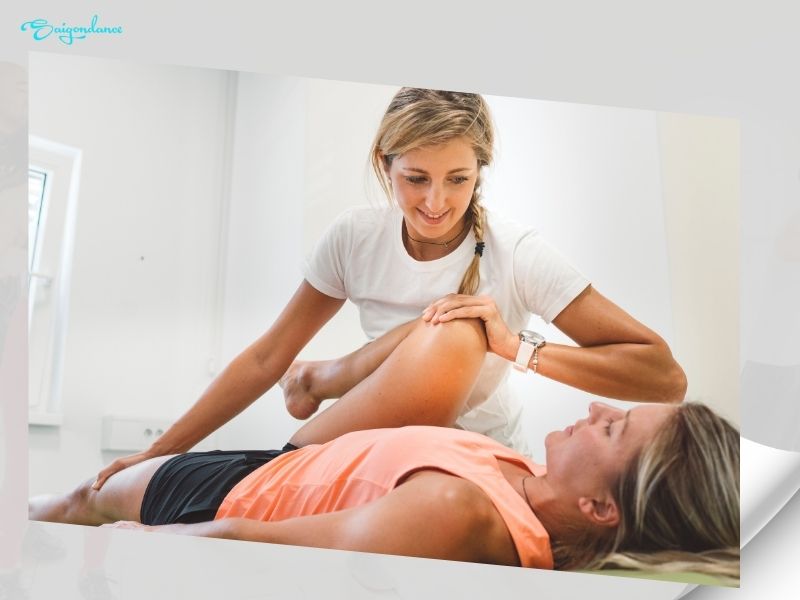
Performance Recovery Specialist
The dual program empowers fitness and healthcare professionals to master pain-free manual stretching, PNF techniques, and cutting-edge IASTM Hyperblade technology to rapidly restore client mobility, relieve soreness, and boost business revenue through premium recovery services.